The Power of Stories

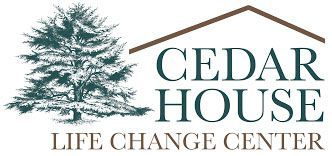
When Tony walked into Cedar House years after completing treatment, he realized that his new perspective on life could save lives. He remembered the power of the testimonials he heard as a client and knew he should share his. What he didn’t realize was just how powerful telling his own story could be. After recounting all he had been through over the years, Tony said, “Thank you for the opportunity to tell you my whole story. I’ve never actually just gone through from top to bottom and told my full story. Wow! It’s just awesome to think how much this recovery thing really works. It’s pretty amazing!”
Think about that. Tony credits the stories he heard at Cedar House with planting the seed for his recovery. For the first time, he felt that he wasn’t alone in his battle with addiction. And now, the telling of his own is providing staying power for his recovery.
Tony’s relationship with meth was unrivaled in his late 20s. He said the first time he tried it, “It was like love at first sight. I knew we were going to have a relationship.” He felt that the chemicals in meth were his companion, giving him courage and defining who he was. After using only on weekends for a few months, he found his own dealer and became a daily user. When he found out it could be smoked, that was it. He said, “I went from being a social person to a recluse. I quit culinary school and spent a year using.”
Fortunately for Tony, he had friends who recognized he needed help. They came to his home and told his mother the situation. She was devastated, but together they helped him get into an outpatient program. For four years, he tried unsuccessfully to quit on his own or attempt different outpatient programs but continued using during that time.
In 2007, Tony was living in his car and deep in his addiction. He was frequently sick and barely remembers how he came to enter into treatment at Cedar House. He knows that he tried calling regularly to get in and was relieved when someone called to tell him there was a bed available for him. He spent the next 90 days at Cedar House learning about his disease and how to overcome it. He said, “They were brutally honest with me and asked the right questions.” That’s when he uncovered some of the childhood trauma that contributed to his struggles. He also learned to accept his higher power and to let people in to help him. Listening to fellow clients and staff share their testimonies empowered him to change his life.
Reflecting on other lessons he discovered during his time at Cedar House, Tony said, “I didn’t know that all I needed was to get some good life skills and give it an honest try.” Near the end of his residential treatment, Tony went with a group of clients from Cedar House to a job fair at Fairmount Park. It was there that he decided to join the Army. He served in the U.S. military for 10 years and moved up the ranks to Drill Sergeant.
Tony said, “Recovery is not just staying clean. It’s moving forward in life.” He is indeed moving forward with his, as he continues his education in pursuit of a human services degree next spring and eventually a psychology degree beyond that, in order to be able to serve people in a clinical environment. In that way, he said that he is “starting to use (his) skills and trust the process.”
Cedar House set me in the right direction. I wouldn’t have felt capable if it wasn’t for Cedar House. They primed me and prepped me to see my value and that my life is worth living.
Between his time in the service and his experience in rehab, Tony learned the importance of feeling empowered. He hopes to impart these lessons on other individuals in need: “Don’t tell me what you can and cannot do. I’m going to tell you. Empower you. You have no idea what you’re capable of. If it worked for me, why can’t it work for you.” He believes in practicing life skills, going to meetings, having a sponsor, meditation, prayer, not giving in to cravings, and believing in his skills. Those firm principles and the strength of his story will take him far in life and in his efforts to serve others in need.
June is PTSD Awareness Month, an important time to recognize the deep connection between trauma, mental health, and substance use. For many people, addiction does not happen in isolation. It is often tied to painful life experiences, untreated mental health symptoms, grief, violence, loss, instability, or long-term stress. When someone is living with post-traumatic stress disorder, or PTSD, substances may become a way to cope with memories, anxiety, fear, sleep problems, emotional pain, or feeling constantly on edge. At Cedar House Life Change Center, we understand that recovery must address the whole person. That means looking beyond substance use alone and recognizing the mental health challenges that often come with addiction. Understanding PTSD and Substance Use PTSD can develop after someone experiences or witnesses a traumatic event. Symptoms may include flashbacks, nightmares, panic, avoidance, emotional numbness, irritability, difficulty trusting others, and feeling unsafe even when danger has passed. These symptoms can be overwhelming, especially when a person does not have the support, treatment, or tools to manage them. For some, alcohol or drugs may feel like temporary relief. Over time, however, substance use often makes trauma symptoms worse and creates a cycle that becomes harder to break. This is why treating addiction without addressing co-occurring mental health disorders can leave people without the full support they need to heal. Cedar House Specializes in Co-Occurring Disorders Cedar House specializes in serving individuals with substance use disorders and co-occurring mental health conditions, including PTSD, anxiety, depression, mood disorders, and other behavioral health needs. Our clinical team is experienced in working with clients whose recovery is complicated by trauma, emotional distress, and higher levels of acuity. Many treatment programs are not equipped to support clients with more complex mental health presentations. At Cedar House, we have developed the ability to manage and support more acute cases when clinically appropriate. This means we are often able to serve individuals who may need more structure, closer monitoring, stronger clinical coordination, and a more comprehensive approach than a traditional substance use treatment setting can provide. Our goal is not simply to stabilize substance use. Our goal is to help clients build a foundation for long-term recovery by addressing the mental health symptoms, trauma responses, and life circumstances that may be contributing to addiction. A Trauma-Informed Approach to Recovery Trauma-informed care means recognizing that many people entering treatment have experienced significant pain before they ever arrive at our doors. It means creating an environment where clients feel safe, respected, understood, and supported rather than judged. At Cedar House, this approach is reflected in the way we provide care. We focus on compassion, structure, accountability, and individualized support. Clients are treated as people with stories, strengths, and potential, not as diagnoses or behaviors. For individuals with PTSD and addiction, recovery may include learning how to manage triggers, regulate emotions, rebuild trust, develop healthy coping skills, reconnect with family and community, and begin to imagine life beyond survival. Healing takes time, but with the right support, it is possible. Meeting Clients Where They Are Cedar House serves many individuals who come to treatment with complex needs, including co-occurring mental health disorders, homelessness or housing instability, justice involvement, medical concerns, and limited support systems. These challenges can make recovery more difficult, but they do not make recovery impossible. Our programs are designed to meet clients where they are and help them move toward stability, dignity, and wholeness. By offering a continuum of care that includes withdrawal management, residential treatment, outpatient services, perinatal services, recovery support, and alumni engagement, Cedar House helps clients take the next step in their recovery journey. Why PTSD Awareness Matters PTSD Awareness Month reminds us that trauma is not a character flaw, and addiction is not a moral failure. Both are health conditions that deserve compassionate, evidence-based care. When communities understand the connection between trauma and substance use, we reduce stigma and create more pathways to healing. At Cedar House, we believe people can recover when they are given the right care, the right environment, and the right support. For individuals living with PTSD and addiction, that means treatment that sees the full picture and responds with both clinical expertise and compassion. This June, we honor those who are living with trauma, those who are seeking recovery, and those who are learning that healing is possible. Cedar House remains committed to helping individuals affected by addiction and co-occurring mental health disorders find wholeness in recovery.

by Mark D. Gobert
Learn what happens in residential addiction treatment step-by-step, from detox to therapy and recovery planning at Cedar House Life Change Center.
Share On: