A Step-by-Step Guide to Residential Addiction Treatment
Entering residential addiction treatment can feel overwhelming. Many people wonder:
- What will happen when I arrive?
- What does a typical day in rehab look like?
- How long does residential treatment last?
Understanding the process can reduce fear and help individuals and families feel more prepared for recovery.
At Cedar House Life Change Center, residential treatment provides a safe, structured environment where individuals can stabilize, heal, and develop the skills needed for long-term recovery from substance use disorder.
This guide walks through what happens in residential addiction treatment
step by step.
Step 1: Intake and Assessment
Residential treatment begins with a comprehensive intake assessment.
During this process, the clinical team evaluates:
- Substance use history
- Physical health and withdrawal risks
- Mental health concerns
- Trauma history
- Family and support systems
This information allows clinicians to create a personalized plan designed around each client’s unique needs and recovery goals.
A customized plan ensures that treatment addresses both addiction and any underlying issues that may contribute to substance use.
Step 2: Withdrawal Management (Detox)
For many individuals, the first stage of residential treatment is withdrawal management, commonly known as detox.
Cedar House provides clinically managed withdrawal management services (3.2 level of care) to help individuals safely withdraw from alcohol or drugs in a supervised environment.
During detox:
- Clients are closely monitored, especially during the first 72 hours.
- Staff perform observations every 30 minutes during early withdrawal.
- Vital signs are checked six times per day and documented in medical records.
- Medication may be prescribed by a licensed physician to safely manage withdrawal symptoms.
This stage focuses on stabilizing the body and preparing clients to begin therapy and recovery work.
Withdrawal management typically lasts 7–10 days or longer depending on medical necessity.
Step 3: Personalized Planning
After detox and stabilization, clients work with their case manager and clinical team to develop a detailed treatment plan.
This plan outlines:
- Individual recovery goals
- Counseling and therapy needs
- Mental health treatment
- Family involvement
- Relapse prevention strategies
At Cedar House, treatment is person-centered, meaning each plan is tailored to the individual’s background, challenges, and strengths.
Step 4: Daily Residential Treatment Programming
Residential treatment provides a structured daily schedule designed to support recovery.
Clients participate in at least 20 hours per week of therapeutic programming, including counseling and structured therapeutic activities.
These services include:
- Individual counseling sessions
- Group therapy and process groups
- Educational groups
- Structured therapeutic activities
Of those hours, 10 hours are clinical services led by licensed professionals.
This structured approach helps individuals develop new coping skills, improve emotional regulation, and build a strong foundation for long-term recovery.
Step 5: Evidence-Based Therapy
Cedar House uses evidence-based treatment methods proven to support addiction recovery.
Clinical staff are trained in therapies such as:
- Motivational Interviewing
- Cognitive Behavioral Therapy (CBT)
- Relapse Prevention strategies
The program also utilizes the Living in Balance curriculum, a nationally recognized evidence-based addiction recovery program.
Treatment groups focus on:
- Managing cravings and triggers
- Developing healthy coping skills
- Improving communication
- Healing trauma
- Strengthening life skills
Clients may also participate in programs such as:
- Trauma recovery groups
- Parenting education
- Life skills development
- Recreational and wellness activities
Step 6: Family Support and Education
Addiction impacts the entire family, which is why family involvement is an important part of recovery.
Cedar House offers:
- Family group therapy sessions
- Al-Anon introduction groups
- Education for family members about addiction and recovery
Family members are required to attend an Al-Anon introduction group before visiting their loved one, helping them better understand how to support recovery.
Step 7: Medication-Assisted Treatment (as needed)
Some individuals benefit from medication-assisted treatment (MAT) to help manage cravings and prevent relapse.
Available options may include:
- Vivitrol injections
- Suboxone
- Subutex (for pregnant women)
These medications are prescribed under the supervision of Cedar House medical professionals and are always voluntary and client-centered decisions.
Vivitrol, for example, blocks the effects of opioids in the brain, helping reduce cravings and relapse risk.
Step 8: Accountability and Monitoring
Throughout residential treatment, clients participate in ongoing monitoring to support progress and accountability.
This includes:
- Drug and alcohol screenings at least twice per month
- Additional screenings if substance use is suspected
- Ongoing clinical evaluations and progress reviews
The Cedar House team also collaborates with families, referral partners, and support systems to ensure the best possible outcomes.
Step 9: Preparing for Life After Treatment
Residential treatment is only the beginning of the recovery journey. Plans for life after treatment begin at intake, so clients can be fully prepared to move forward once treatment is complete.
Before completing the program, clients and their treatment team will develop an aftercare and relapse prevention plan that may include:
- Continued counseling
- Recovery support groups
- Sober living environments
- Ongoing mental health care
The goal is to ensure individuals leave treatment with the tools, confidence, and support network needed to maintain long-term recovery.
Why Residential Treatment Works
Residential addiction treatment removes individuals from environments that reinforce substance use and places them in a structured, therapeutic setting focused on healing.
At Cedar House, the goal is not just sobriety. It is whole-person recovery that improves physical, mental, emotional, and social wellbeing.
Recovery is possible, and no one has to face addiction alone.
Get Help Today
If you or someone you love is struggling with addiction, support is available.
Residential treatment at Cedar House Life Change Center provides the care, structure, and support needed to begin a life of recovery.
Learn more about our programs
or contact our admissions
team to get started.
June is PTSD Awareness Month, an important time to recognize the deep connection between trauma, mental health, and substance use. For many people, addiction does not happen in isolation. It is often tied to painful life experiences, untreated mental health symptoms, grief, violence, loss, instability, or long-term stress. When someone is living with post-traumatic stress disorder, or PTSD, substances may become a way to cope with memories, anxiety, fear, sleep problems, emotional pain, or feeling constantly on edge. At Cedar House Life Change Center, we understand that recovery must address the whole person. That means looking beyond substance use alone and recognizing the mental health challenges that often come with addiction. Understanding PTSD and Substance Use PTSD can develop after someone experiences or witnesses a traumatic event. Symptoms may include flashbacks, nightmares, panic, avoidance, emotional numbness, irritability, difficulty trusting others, and feeling unsafe even when danger has passed. These symptoms can be overwhelming, especially when a person does not have the support, treatment, or tools to manage them. For some, alcohol or drugs may feel like temporary relief. Over time, however, substance use often makes trauma symptoms worse and creates a cycle that becomes harder to break. This is why treating addiction without addressing co-occurring mental health disorders can leave people without the full support they need to heal. Cedar House Specializes in Co-Occurring Disorders Cedar House specializes in serving individuals with substance use disorders and co-occurring mental health conditions, including PTSD, anxiety, depression, mood disorders, and other behavioral health needs. Our clinical team is experienced in working with clients whose recovery is complicated by trauma, emotional distress, and higher levels of acuity. Many treatment programs are not equipped to support clients with more complex mental health presentations. At Cedar House, we have developed the ability to manage and support more acute cases when clinically appropriate. This means we are often able to serve individuals who may need more structure, closer monitoring, stronger clinical coordination, and a more comprehensive approach than a traditional substance use treatment setting can provide. Our goal is not simply to stabilize substance use. Our goal is to help clients build a foundation for long-term recovery by addressing the mental health symptoms, trauma responses, and life circumstances that may be contributing to addiction. A Trauma-Informed Approach to Recovery Trauma-informed care means recognizing that many people entering treatment have experienced significant pain before they ever arrive at our doors. It means creating an environment where clients feel safe, respected, understood, and supported rather than judged. At Cedar House, this approach is reflected in the way we provide care. We focus on compassion, structure, accountability, and individualized support. Clients are treated as people with stories, strengths, and potential, not as diagnoses or behaviors. For individuals with PTSD and addiction, recovery may include learning how to manage triggers, regulate emotions, rebuild trust, develop healthy coping skills, reconnect with family and community, and begin to imagine life beyond survival. Healing takes time, but with the right support, it is possible. Meeting Clients Where They Are Cedar House serves many individuals who come to treatment with complex needs, including co-occurring mental health disorders, homelessness or housing instability, justice involvement, medical concerns, and limited support systems. These challenges can make recovery more difficult, but they do not make recovery impossible. Our programs are designed to meet clients where they are and help them move toward stability, dignity, and wholeness. By offering a continuum of care that includes withdrawal management, residential treatment, outpatient services, perinatal services, recovery support, and alumni engagement, Cedar House helps clients take the next step in their recovery journey. Why PTSD Awareness Matters PTSD Awareness Month reminds us that trauma is not a character flaw, and addiction is not a moral failure. Both are health conditions that deserve compassionate, evidence-based care. When communities understand the connection between trauma and substance use, we reduce stigma and create more pathways to healing. At Cedar House, we believe people can recover when they are given the right care, the right environment, and the right support. For individuals living with PTSD and addiction, that means treatment that sees the full picture and responds with both clinical expertise and compassion. This June, we honor those who are living with trauma, those who are seeking recovery, and those who are learning that healing is possible. Cedar House remains committed to helping individuals affected by addiction and co-occurring mental health disorders find wholeness in recovery.

by Mark D. Gobert
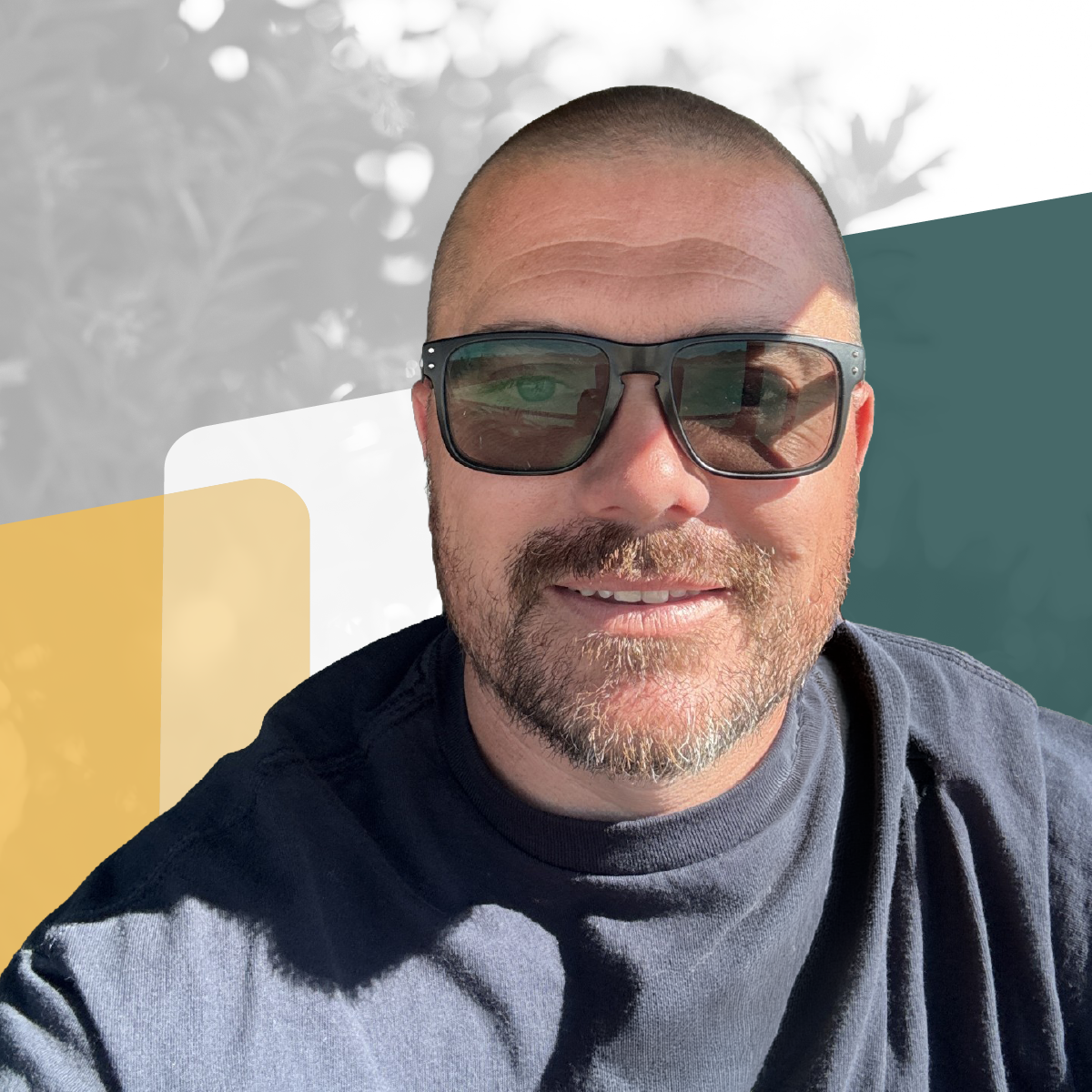
In 2009, everything changed for Preston with a single accident. What began with prescription pain medication after a dirt bike injury slowly spiraled into a heroin addiction that would take hold of his life for years. But one decision made just days before Christmas would change everything. The Road to Addiction After a dirt bike accident in 2009 left him injured, doctors prescribed pain pills to manage the pain. At first, it seemed harmless, but like many people during the opioid crisis, the prescription slowly turned into dependence. By 2012, when prescription pills became harder to get, someone at work offered a cheaper alternative. “They said, ‘I can get you something better and cheaper,’” he remembers. “You try it first, and then they tell you it’s heroin. I was like, ‘I don’t do heroin.’ And they said, ‘Yeah… you do now.’” From 2012 to 2015 heroin addiction took hold of his life. The people around him were using too, and the lifestyle became normal. Eventually everything began to fall apart. “I remember looking in a drawer one day and realizing there was nothing left—just pencils and random stuff. Nothing of value. That’s when it really hit me how empty my life had become.” A Christmas Turning Point In December 2015, just days before Christmas, he finally reached a breaking point. “I told my mom I was fed up. I said, ‘Let’s figure this out. I need help.’” He found Cedar House Life Change Center and entered detox on December 16, 2015. Originally, he planned to stay only the required seven days. But recovery rarely begins smoothly. One night during detox he woke up and asked to use the phone. “I called everyone in my family and told them I hated them because they wouldn’t come pick me up. I didn’t want to be stuck there for Christmas.” The next morning his counselor called him into her office. What she told him that day stayed with him. “If you stay,” she told him, “You’ll miss this one Christmas, but you won’t have to miss all the other Christmases.” Lessons That Stuck His counselor shared another lesson he still carries today. She explained that life is like a backpack. If you throw a bunch of heavy stones into it all at once, you won’t be able to walk. Just like if you try to tackle all of life’s problems at once, you won’t get very far. But if you add just a few metaphorical stones each day and deal with just the issues you can handle, you can keep moving forward and progressing in life. Those simple ideas – taking life one day at a time and not carrying more than you can handle – became powerful tools in his recovery. Although he had entered Cedar House only for detox, his counselor secured three additional days in residential treatment across the hall. At the time he admits he still planned to use again when he left. But during those extra days, something shifted. At a recovery panel he heard a man speak about rebuilding trust with his mother after years of addiction. Preston could relate to that experience of taking advantage of his mom. Hearing him talk about earning her trust back made him realize that was possible for him, too. Rebuilding a Life He left Cedar House the day after Christmas, and his mom picked him up. On the drive home they stopped for food and talked about what came next. With guidance from his counselor, he made a list of everything addiction had taken away from him. Then he began slowly taking those things back. He started spending time with family again, accepting invitations, going to the river, and rebuilding relationships that had been strained by addiction. “You can’t lie to the mirror,” he says. “At the end of the day, you have to do this for yourself.” There were still challenges ahead – court dates, fines, and apologies to make. At one point a judge even rejected a handwritten apology letter he had written, crumpling it up in front of him and telling him it needed to be more sincere. So, he wrote it again. A Future Restored Recovery opened doors he never imagined. He began working in the oil fields in Montana, working one week on and one week off. During that time, he met the woman who would become his wife, and together they built a family with five children. He later returned to California, regained custody of his two older children, and continued rebuilding his life. Six years after leaving Cedar House, he returned to work with Teamsters Local 166 as an inspector on a military base. Today he is proud of the life he has rebuilt and grateful for the second chance he was given. “If I could help even one more person, it would be worth it,” he says. “I wouldn’t wish that life on my worst enemy.” Looking back, he believes the challenges he faced helped shape the person he is today. “Without those struggles, I wouldn’t be who I am now.”
Share On: