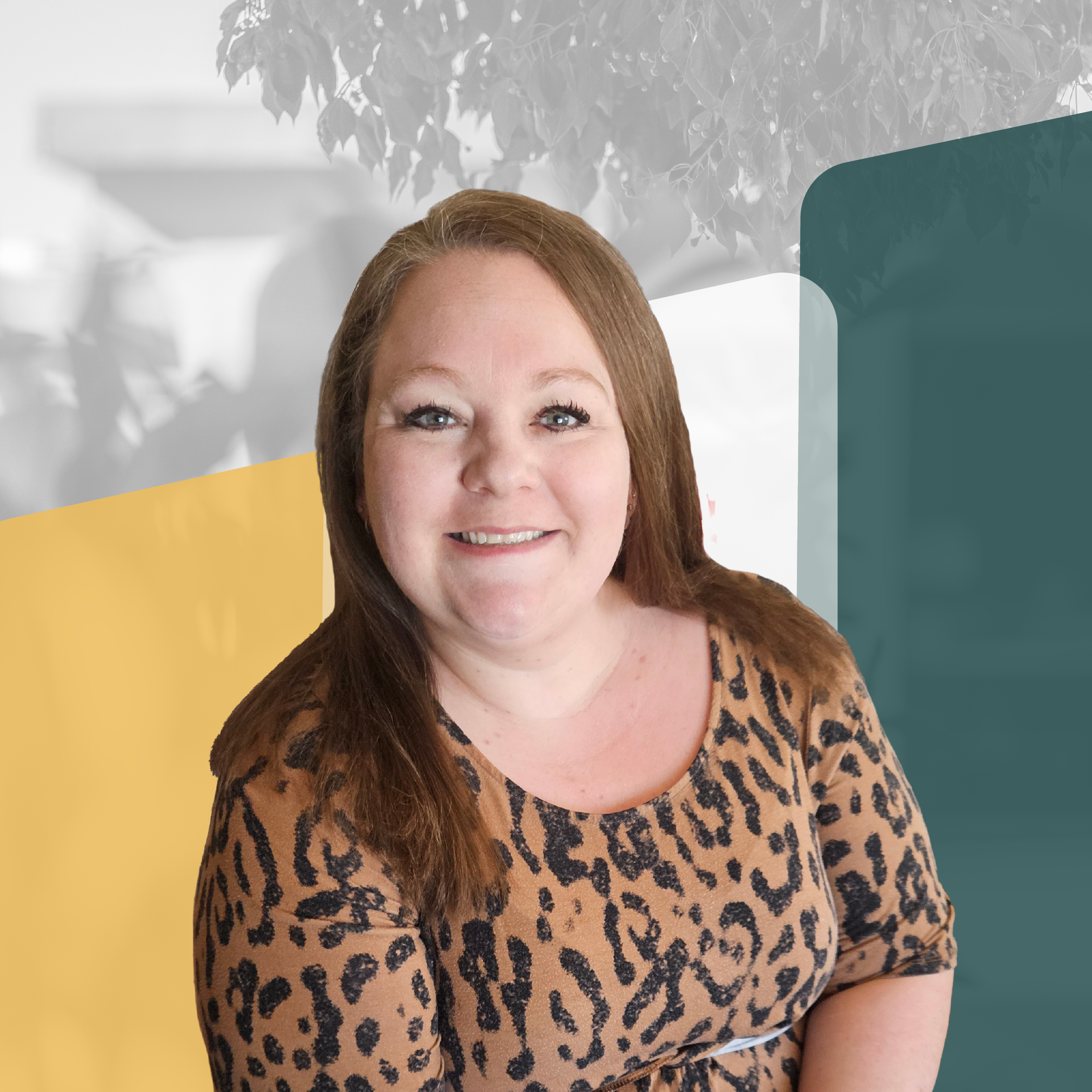
An Eye-Opening Experience

“Cedar House opened my eyes to see that it’s okay to need help; it’s okay to be bi-polar; and it’s okay to grow through things.”
Sheri was brought into the world under the most difficult conditions. She was born in a hotel room to two addict parents. Her mother shot her up with heroin to quiet her as an infant which resulted in a lifetime of physical and mental disorders to overcome. But Sheri was strong. Even as a young child, she overcame the adversity. She was blessed to be adopted by loving parents at the age of five. They were LA County police officers and cared for her deeply the best way they knew how.
Sheri always had a strong urge to use drugs and alcohol. She wanted to experiment and explore as a teenager. She said, “I was just wild!” At the age of 16, she was diagnosed with bipolar disorder but didn’t begin treatment until she was 22. She married her first husband when she was 18, and he was 35. During their first few years of marriage, she suffered through four miscarriages and her husband’s abuse. She said, “I just felt so alone. I wanted to try and get sober.” Sheri ended up getting arrested during this wild streak as she battled her addiction, fear, loneliness, and the shame she felt from years of sexual abuse.
Fortunately, the STAR program was an ideal fit for Sheri. When she completed her time in jail, she went directly to Cedar House for three months through that program. She said, “The staff at Cedar House opened up my eyes. You guys helped me so much.” She recalled that she related to case manager Salena’s personal story and knew that she would learn from her. She said, “Someone was finally going to help me get my mental health right.”
Cedar House opened Sheri’s eyes to the 12-step program, and she began to understand that it’s okay to ask for help. She said, “The atmosphere was warm, comfortable, and it felt safe to open up.” During her time in treatment, the Cedar House staff also counseled Sheri’s parents to understand how to support her through the challenges she was going through. She said, “They were just so angry, but they learned, ‘It’s okay. Let’s pick ourselves up. We can do this together.’”
The last time Sheri used was 12/23/12. She worked the program, got a sponsor, got re-married and had a son. To this day, when using comes up, she reminds herself to play the tape all the way through. She said, “I tell myself that I don’t want to go to jail, and I don’t want to be like my birth mother.”
Today, she continues to go to therapy once a week; she takes the right medication for her condition; and she thanks God every day for the program at Cedar House. She loves to give back and proudly donates clothes to Cedar House and Maple House on a regular basis.
She said, “If I wasn’t sober, I wouldn’t be alive. I’m so grateful for my family, the STAR program, and Cedar House. I just want to give back.”
The STAR Program helped Sheri find sober living after treatment. Once she got on her feet, she found employment with Amazon as a packer where she worked her way up to the human resources department.
Cedar House laid the foundation for Sheri’s life in recovery. She said, “I don’t feel shameful anymore. I feel safe to open up. I was there to work the program and take care of myself. Now, I just try to stay a good human – to always be as kind as possible to anyone I meet. They might be going through it.”
June is PTSD Awareness Month, an important time to recognize the deep connection between trauma, mental health, and substance use. For many people, addiction does not happen in isolation. It is often tied to painful life experiences, untreated mental health symptoms, grief, violence, loss, instability, or long-term stress. When someone is living with post-traumatic stress disorder, or PTSD, substances may become a way to cope with memories, anxiety, fear, sleep problems, emotional pain, or feeling constantly on edge. At Cedar House Life Change Center, we understand that recovery must address the whole person. That means looking beyond substance use alone and recognizing the mental health challenges that often come with addiction. Understanding PTSD and Substance Use PTSD can develop after someone experiences or witnesses a traumatic event. Symptoms may include flashbacks, nightmares, panic, avoidance, emotional numbness, irritability, difficulty trusting others, and feeling unsafe even when danger has passed. These symptoms can be overwhelming, especially when a person does not have the support, treatment, or tools to manage them. For some, alcohol or drugs may feel like temporary relief. Over time, however, substance use often makes trauma symptoms worse and creates a cycle that becomes harder to break. This is why treating addiction without addressing co-occurring mental health disorders can leave people without the full support they need to heal. Cedar House Specializes in Co-Occurring Disorders Cedar House specializes in serving individuals with substance use disorders and co-occurring mental health conditions, including PTSD, anxiety, depression, mood disorders, and other behavioral health needs. Our clinical team is experienced in working with clients whose recovery is complicated by trauma, emotional distress, and higher levels of acuity. Many treatment programs are not equipped to support clients with more complex mental health presentations. At Cedar House, we have developed the ability to manage and support more acute cases when clinically appropriate. This means we are often able to serve individuals who may need more structure, closer monitoring, stronger clinical coordination, and a more comprehensive approach than a traditional substance use treatment setting can provide. Our goal is not simply to stabilize substance use. Our goal is to help clients build a foundation for long-term recovery by addressing the mental health symptoms, trauma responses, and life circumstances that may be contributing to addiction. A Trauma-Informed Approach to Recovery Trauma-informed care means recognizing that many people entering treatment have experienced significant pain before they ever arrive at our doors. It means creating an environment where clients feel safe, respected, understood, and supported rather than judged. At Cedar House, this approach is reflected in the way we provide care. We focus on compassion, structure, accountability, and individualized support. Clients are treated as people with stories, strengths, and potential, not as diagnoses or behaviors. For individuals with PTSD and addiction, recovery may include learning how to manage triggers, regulate emotions, rebuild trust, develop healthy coping skills, reconnect with family and community, and begin to imagine life beyond survival. Healing takes time, but with the right support, it is possible. Meeting Clients Where They Are Cedar House serves many individuals who come to treatment with complex needs, including co-occurring mental health disorders, homelessness or housing instability, justice involvement, medical concerns, and limited support systems. These challenges can make recovery more difficult, but they do not make recovery impossible. Our programs are designed to meet clients where they are and help them move toward stability, dignity, and wholeness. By offering a continuum of care that includes withdrawal management, residential treatment, outpatient services, perinatal services, recovery support, and alumni engagement, Cedar House helps clients take the next step in their recovery journey. Why PTSD Awareness Matters PTSD Awareness Month reminds us that trauma is not a character flaw, and addiction is not a moral failure. Both are health conditions that deserve compassionate, evidence-based care. When communities understand the connection between trauma and substance use, we reduce stigma and create more pathways to healing. At Cedar House, we believe people can recover when they are given the right care, the right environment, and the right support. For individuals living with PTSD and addiction, that means treatment that sees the full picture and responds with both clinical expertise and compassion. This June, we honor those who are living with trauma, those who are seeking recovery, and those who are learning that healing is possible. Cedar House remains committed to helping individuals affected by addiction and co-occurring mental health disorders find wholeness in recovery.

by Mark D. Gobert
Learn what happens in residential addiction treatment step-by-step, from detox to therapy and recovery planning at Cedar House Life Change Center.
Share On: