Uncover to Recover

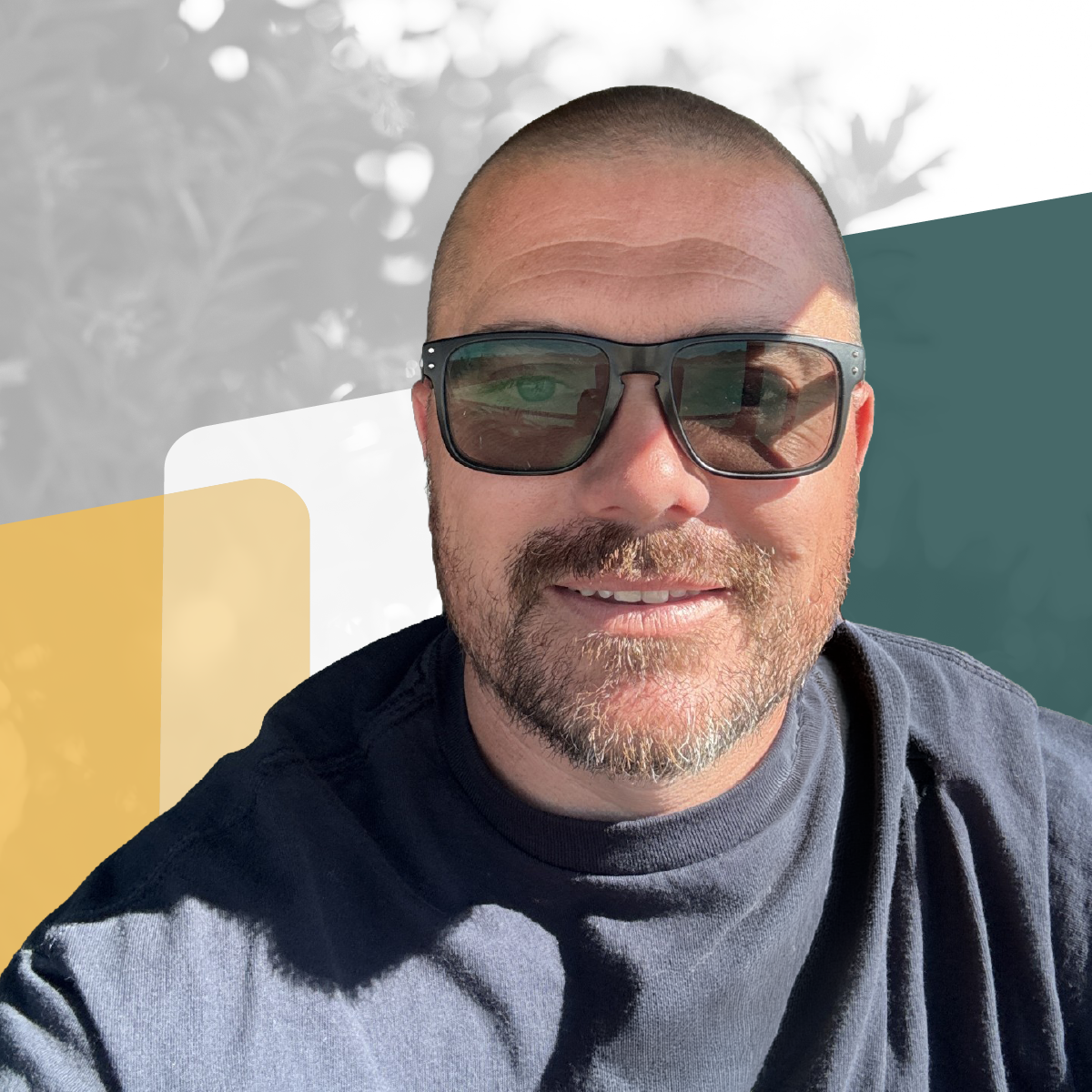
by Mark D. Gobert


How fitting that it’s on Mother’s Day that I am writing this blog to share some of my recovery story. My mother has been the most consistent, persistent, loving, supportive, and loudest cheerleader in my life next to the God of my understanding. And it’s with a heavy heart yet profound spiritual push, sort of bittersweet, that I have decided to answer this call and write while currently working on my recovery book “Uncover to Recover.” My mother currently bears the plight of so many others suffering with dementia. She will never be able to read this or my book.


Yet because of her relentless drive to help me uncover my talents, ambitions, and creativity all while in a clean and sober state of mind, to become a man who can contribute to humanity more than receive is my unapologetic call to purpose.


One day while scrolling social media aware that my 22 years in recovery were approaching, the thought came: “Wow, I now believe I have the same number of years clean and sober as the number of treatment centers I entered.” Cedar House by far is the one that laid a recovery foundation for me, and it would often become a reference point that God used to guide me during some of my darkest moments. I then found Cedar House’s webpage and was shocked to see it looked the same.


My eyes began to tear as the younger version of myself could now feel the love that was impossible to receive back then, with an understanding and revelation that I am still here and so is Cedar House. To show my support as an alumnus, I simply replied to one of its posts and wrote what I hope to be a supportive review from what I remember as a client. Shockingly, a week later I received an email asking whether I would be interested in telling my story on their blog. So, my commitment to this mission felt even more real.


As a young adult entering Cedar House, I was no stranger to treatment. I had already completed one as a young sailor, and the support from the Navy made it possible for me to even know that such help existed. My family struggled with comprehending my bizarre addictive behaviors compared to my focused and ambitious zest for life and success when sober. Eventually, I found support from my cousin who worked at Cedar House and recommended it to me. By this time, I had survived my first suicide attempt and was in my second round of alcohol withdrawals, bouncing from hospital to hospital.


When I drank alcohol, I guzzled it and went straight for hard, cheap alcohol like Cisco, Thunderbird, Mad Dog, Old English malt liquor just to name a few. By then I was drinking a

minimum of two pints daily, or whenever I could get my hands on it. In addition, I was struggling with bulimia disorder and had been diagnosed with a hiatal hernia.


From the assessment process to detox and treatment, I experienced a “we will love you until you learn to love yourself” level of care that seemed unique for what I thought was just another hospital. It was my first introduction to the 12-step program, which served as a major foundation of the treatment alongside clinical professionals. They did not undermine the virtues of such a powerful program; quite the opposite, they used their skills to help me understand that while treatment opens the door, recovery is what sustains us.


That was my first introduction to the fellowship of AA and NA, and to this date, I will never forget the everlasting impact of Father Martin’s “Chalk Talk” and his lectures on values. Through H&I panels and conversations with residents who simply “got me,” I found a community that understood a shared plight rather than wanting to rehash the shame. Seeing all genders, races, and ages sharing a common bond gave me hope for the first time, yet it also brought a huge sense of fear. I struggled with the conflict of feeling connected while my mind told me this could work for others, but that I was “too messed up” for it to stick. I repeated this experience at Cedar House three times within two years. Each time I grew first staying sober for one month, then four months, and finally reached nine months of sobriety.


Each setback forced me to reflect on how I could connect to a spiritual program yet struggle with the practical application of making it transformational. What followed was a years-long rollercoaster journey that a single blog cannot fully capture, which is why I am currently working on a book. I faced two more suicide attempts, two years of homelessness on the streets of Hollywood, and the wreckage of toxic connections that sent me seeking help across different cities and states.


Yet, the seeds of recovery, not just sobriety, planted by Cedar House were so powerful that they allowed me to tap into what was possible. Even when I reached the end of my hope and yelled at God in anger, “You are full of s***! You cannot be love and allow hate to exist at the same time. What do You want from me?”


In that moment, I surrendered. I told Him, “Fine, I will work this stupid 12-step mess because I keep hearing You say to do it. I’ll do as suggested, and then I am done.” I was okay with dying because, at that point, living was way harder than existing.


So, here I am, close to turning 56 with over 22 years in recovery as of April 4, 2026. During this time, I was able to give back to Cedar House and other programs. Early in my recovery, I graduated from San Bernardino Valley College with an AA in Human Services and Alcohol and Drug Studies, then began working at the Veterans Affairs Rehabilitation Program, specifically Gibson House for Men.


Professionally, I’ve spent 30 years in behavioral health across many modalities, obtaining credentials as an Internationally Certified Clinical Supervisor (ICCS), an Internationally Certified Criminal Justice Professional (ICCJP), an Internationally Certified Alcohol and Drug Counselor (ICADC), and a National Certified Addiction Counselor II (NCAC-II). I also have specialized training in Moral Recognition Therapy, CBT, Prime for Life, and Seeking Safety. Right now, I am celebrating a 4.0 GPA, graduating summa cum laude with my BA in Psychology from American Military University. I am also a member of Pi Gamma Mu and the International Honor Society. I am currently awaiting my conferred date of June 1, 2026, and I plan to celebrate at my commencement ceremony.


On the flip side, just three weeks ago, I was in urgent care with a blood pressure of 201 over 137. It was discovered by a wonderful dentist while evaluating me for implants. Additionally, at ten years of sobriety, I went from 150 pounds to 293 due to several back-to-back experiences with grief and loss.


Now at 220 pounds, I am finally facing the recovery call once again. I am entering a second phase focused on physical recovery through health, nutrition, and exercise. I mention this because there is no recovering without uncovering. Addiction is so bad that it does not require an “s” on the end, nor does it care what the activity or the choice of substance is.


I mention this because addiction is found in the rhythm of our thinking long before a substance is ever involved. It lives in the way we seek worth, the manipulative soliciting of socialization through others, and the masks we wear just to be heard, to be seen and to feel safe. For me, recovery is a spiritual lifestyle rooted in virtues created by God and nurtured by the Holy Spirit. The practical application I found in 12 Steps, but make no mistake, God is the owner, and I am just the one showing up for the work.


Addiction is more than a substance, and recovery is more than treatment. It is ongoing work as a lifestyle. Simply put, it is the style in which I strive to live by. So, on this Mother’s Day, I am grateful for the drive she instilled in me to keep uncovering the man I was meant to be. This recovery process has taught me that my purpose is not for me to create but rather discover.


I truly appreciate Cedar House for asking me to share a small part of this remarkable ongoing journey. My hope is that anyone reading this can muster enough courage and open-mindedness to seek help. If this helps even one person, it makes my journey worth it, because life is worth it, and your life is worth it!


Author’s Note and Disclaimer:

The views expressed here are my own and reflect my personal lived experiences; they are not intended to represent the official positions of Alcoholics Anonymous, Narcotics Anonymous, or any 12-step fellowship. Furthermore, these opinions are shared in my personal capacity and do not necessarily reflect the official policy, position, or endorsement of the Department of Defense, any federal agency, or the U.S. Government.
Uncover to Recover
By 7000873882 June 2, 2026
June is PTSD Awareness Month, an important time to recognize the deep connection between trauma, mental health, and substance use. For many people, addiction does not happen in isolation. It is often tied to painful life experiences, untreated mental health symptoms, grief, violence, loss, instability, or long-term stress. When someone is living with post-traumatic stress disorder, or PTSD, substances may become a way to cope with memories, anxiety, fear, sleep problems, emotional pain, or feeling constantly on edge. At Cedar House Life Change Center, we understand that recovery must address the whole person. That means looking beyond substance use alone and recognizing the mental health challenges that often come with addiction. Understanding PTSD and Substance Use PTSD can develop after someone experiences or witnesses a traumatic event. Symptoms may include flashbacks, nightmares, panic, avoidance, emotional numbness, irritability, difficulty trusting others, and feeling unsafe even when danger has passed. These symptoms can be overwhelming, especially when a person does not have the support, treatment, or tools to manage them. For some, alcohol or drugs may feel like temporary relief. Over time, however, substance use often makes trauma symptoms worse and creates a cycle that becomes harder to break. This is why treating addiction without addressing co-occurring mental health disorders can leave people without the full support they need to heal. Cedar House Specializes in Co-Occurring Disorders Cedar House specializes in serving individuals with substance use disorders and co-occurring mental health conditions, including PTSD, anxiety, depression, mood disorders, and other behavioral health needs. Our clinical team is experienced in working with clients whose recovery is complicated by trauma, emotional distress, and higher levels of acuity. Many treatment programs are not equipped to support clients with more complex mental health presentations. At Cedar House, we have developed the ability to manage and support more acute cases when clinically appropriate. This means we are often able to serve individuals who may need more structure, closer monitoring, stronger clinical coordination, and a more comprehensive approach than a traditional substance use treatment setting can provide. Our goal is not simply to stabilize substance use. Our goal is to help clients build a foundation for long-term recovery by addressing the mental health symptoms, trauma responses, and life circumstances that may be contributing to addiction. A Trauma-Informed Approach to Recovery Trauma-informed care means recognizing that many people entering treatment have experienced significant pain before they ever arrive at our doors. It means creating an environment where clients feel safe, respected, understood, and supported rather than judged. At Cedar House, this approach is reflected in the way we provide care. We focus on compassion, structure, accountability, and individualized support. Clients are treated as people with stories, strengths, and potential, not as diagnoses or behaviors. For individuals with PTSD and addiction, recovery may include learning how to manage triggers, regulate emotions, rebuild trust, develop healthy coping skills, reconnect with family and community, and begin to imagine life beyond survival. Healing takes time, but with the right support, it is possible. Meeting Clients Where They Are Cedar House serves many individuals who come to treatment with complex needs, including co-occurring mental health disorders, homelessness or housing instability, justice involvement, medical concerns, and limited support systems. These challenges can make recovery more difficult, but they do not make recovery impossible. Our programs are designed to meet clients where they are and help them move toward stability, dignity, and wholeness. By offering a continuum of care that includes withdrawal management, residential treatment, outpatient services, perinatal services, recovery support, and alumni engagement, Cedar House helps clients take the next step in their recovery journey. Why PTSD Awareness Matters PTSD Awareness Month reminds us that trauma is not a character flaw, and addiction is not a moral failure. Both are health conditions that deserve compassionate, evidence-based care. When communities understand the connection between trauma and substance use, we reduce stigma and create more pathways to healing. At Cedar House, we believe people can recover when they are given the right care, the right environment, and the right support. For individuals living with PTSD and addiction, that means treatment that sees the full picture and responds with both clinical expertise and compassion.  This June, we honor those who are living with trauma, those who are seeking recovery, and those who are learning that healing is possible. Cedar House remains committed to helping individuals affected by addiction and co-occurring mental health disorders find wholeness in recovery.
What Happens in Residential Addiction Treatment? A Cedar House Step-By-Step Guide
By 7000873882 April 1, 2026
Learn what happens in residential addiction treatment step-by-step, from detox to therapy and recovery planning at Cedar House Life Change Center.
By 7000873882 March 13, 2026
In 2009, everything changed for Preston with a single accident. What began with prescription pain medication after a dirt bike injury slowly spiraled into a heroin addiction that would take hold of his life for years. But one decision made just days before Christmas would change everything. The Road to Addiction After a dirt bike accident in 2009 left him injured, doctors prescribed pain pills to manage the pain. At first, it seemed harmless, but like many people during the opioid crisis, the prescription slowly turned into dependence. By 2012, when prescription pills became harder to get, someone at work offered a cheaper alternative. “They said, ‘I can get you something better and cheaper,’” he remembers. “You try it first, and then they tell you it’s heroin. I was like, ‘I don’t do heroin.’ And they said, ‘Yeah… you do now.’” From 2012 to 2015 heroin addiction took hold of his life. The people around him were using too, and the lifestyle became normal. Eventually everything began to fall apart. “I remember looking in a drawer one day and realizing there was nothing left—just pencils and random stuff. Nothing of value. That’s when it really hit me how empty my life had become.” A Christmas Turning Point In December 2015, just days before Christmas, he finally reached a breaking point. “I told my mom I was fed up. I said, ‘Let’s figure this out. I need help.’” He found Cedar House Life Change Center and entered detox on December 16, 2015. Originally, he planned to stay only the required seven days. But recovery rarely begins smoothly. One night during detox he woke up and asked to use the phone. “I called everyone in my family and told them I hated them because they wouldn’t come pick me up. I didn’t want to be stuck there for Christmas.” The next morning his counselor called him into her office. What she told him that day stayed with him. “If you stay,” she told him, “You’ll miss this one Christmas, but you won’t have to miss all the other Christmases.” Lessons That Stuck His counselor shared another lesson he still carries today. She explained that life is like a backpack. If you throw a bunch of heavy stones into it all at once, you won’t be able to walk. Just like if you try to tackle all of life’s problems at once, you won’t get very far. But if you add just a few metaphorical stones each day and deal with just the issues you can handle, you can keep moving forward and progressing in life. Those simple ideas – taking life one day at a time and not carrying more than you can handle – became powerful tools in his recovery. Although he had entered Cedar House only for detox, his counselor secured three additional days in residential treatment across the hall. At the time he admits he still planned to use again when he left. But during those extra days, something shifted. At a recovery panel he heard a man speak about rebuilding trust with his mother after years of addiction. Preston could relate to that experience of taking advantage of his mom. Hearing him talk about earning her trust back made him realize that was possible for him, too. Rebuilding a Life He left Cedar House the day after Christmas, and his mom picked him up. On the drive home they stopped for food and talked about what came next. With guidance from his counselor, he made a list of everything addiction had taken away from him. Then he began slowly taking those things back. He started spending time with family again, accepting invitations, going to the river, and rebuilding relationships that had been strained by addiction. “You can’t lie to the mirror,” he says. “At the end of the day, you have to do this for yourself.” There were still challenges ahead – court dates, fines, and apologies to make. At one point a judge even rejected a handwritten apology letter he had written, crumpling it up in front of him and telling him it needed to be more sincere. So, he wrote it again. A Future Restored Recovery opened doors he never imagined. He began working in the oil fields in Montana, working one week on and one week off. During that time, he met the woman who would become his wife, and together they built a family with five children. He later returned to California, regained custody of his two older children, and continued rebuilding his life. Six years after leaving Cedar House, he returned to work with Teamsters Local 166 as an inspector on a military base. Today he is proud of the life he has rebuilt and grateful for the second chance he was given. “If I could help even one more person, it would be worth it,” he says. “I wouldn’t wish that life on my worst enemy.” Looking back, he believes the challenges he faced helped shape the person he is today. “Without those struggles, I wouldn’t be who I am now.”
More Posts →